


Chronic stress affects more than mood. Research from the World Health Organization shows that long-term stress exposure can contribute to cardiovascular disease, weakened immunity, sleep disruption, and mental health challenges. Many people continue functioning through fatigue, irritability, headaches, or poor concentration without realizing that these symptoms may reflect deeper physical strain. By the time stress becomes disruptive, recovery often takes longer and requires broader lifestyle changes.
Growing awareness around preventive healthcare has encouraged more individuals to look beyond symptom-based treatment. Some wellness providers now use structured frameworks to track physical and emotional health before serious issues develop. Programs such as Baseline Health Blueprint are often discussed as examples of preventive wellness systems that combine health screenings, biomarker tracking, and lifestyle evaluation into a broader long-term health strategy. Interest in these approaches has increased alongside rising concerns about burnout, anxiety, and work-related exhaustion.
Why Stress Often Goes Unnoticed
Stress does not always appear dramatically at first. Experts note that chronic stress can build slowly through irregular sleep, constant mental pressure, long work hours, caregiving responsibilities, or financial uncertainty. Over time, the body adapts to these elevated stress levels, making exhaustion feel normal.
Data from the American Psychological Association indicates that many adults report stress-related symptoms such as sleep difficulties, muscle tension, digestive discomfort, and emotional fatigue. Yet a significant number delay medical evaluation because the symptoms seem manageable or temporary.
This delay creates a common problem. People may focus on productivity or daily obligations while overlooking measurable changes in blood pressure, hormone balance, blood sugar regulation, or inflammation. These shifts can remain hidden for years before contributing to more serious conditions.
Preventive assessments attempt to close that gap. Instead of waiting for illness to become severe, they focus on identifying patterns earlier. That approach has become increasingly relevant in conversations about stress management because emotional strain often produces physical effects long before a diagnosis occurs.
The Connection Between Mental Wellness and Physical Health
Mental and physical health are deeply connected. Stress hormones such as cortisol influence sleep quality, immune function, appetite regulation, and cardiovascular health. Research published by the National Institutes of Health suggests that prolonged activation of the body’s stress response may increase the risk of chronic inflammation and metabolic dysfunction.
Sleep offers one clear example of this relationship. Poor sleep can increase stress sensitivity, while chronic stress can make restful sleep difficult. The cycle becomes self-reinforcing. Over time, fatigue may reduce exercise, weaken concentration, and contribute to emotional instability.
Physical markers can sometimes reveal these patterns before people fully recognize them emotionally. Elevated resting heart rate, changes in blood pressure, abnormal cholesterol levels, blood sugar fluctuations, or hormonal imbalances may all reflect prolonged strain on the body.
Experts from the Centers for Disease Control and Prevention explain that preventive monitoring helps individuals understand how daily habits influence long-term health outcomes. This broader perspective shifts stress management away from temporary coping techniques alone and toward measurable wellness planning.
Why Preventive Assessments Are Expanding Beyond Traditional Checkups
Traditional annual checkups remain important, but many preventive wellness programs now include broader lifestyle assessments alongside standard medical evaluations. These may involve sleep analysis, nutrition reviews, stress questionnaires, fitness tracking, or advanced biomarker testing.
The goal is not necessarily to predict every future illness. Instead, these assessments help individuals establish a clearer understanding of their current health baseline. That information can support more informed decisions about exercise, nutrition, workload, recovery, and mental wellness strategies.
Research from Harvard Medical School highlights that preventive care tends to be more effective when individuals consistently monitor gradual health changes over time rather than relying solely on isolated appointments. Small shifts in weight, blood pressure, energy levels, or sleep quality may become more meaningful when tracked collectively.
This trend also reflects changing attitudes toward healthcare. Many people now view wellness as an ongoing process rather than a response to illness alone. Preventive assessments fit within that mindset because they encourage regular observation instead of crisis-driven treatment.
How Structured Wellness Frameworks Support Stress Management
Stress management advice often focuses on mindfulness, exercise, or work-life balance. While those strategies remain valuable, they can feel vague without measurable context. Structured wellness frameworks attempt to provide that missing structure.
For example, someone experiencing fatigue may assume the issue is purely emotional. Preventive testing could reveal sleep disruption, nutritional deficiencies, elevated inflammation markers, or blood sugar irregularities contributing to the problem. Identifying these factors may help create more targeted wellness goals.
Data from the Mayo Clinic suggests that preventive care works best when combined with sustainable lifestyle adjustments rather than short-term interventions. This includes consistent sleep routines, physical activity, stress reduction techniques, balanced nutrition, and ongoing monitoring.
Frameworks built around preventive health assessments often encourage people to establish realistic benchmarks instead of chasing rapid results. That process can improve awareness and reduce uncertainty. People may feel more confident making health decisions when they understand how specific habits affect measurable outcomes.
Importantly, preventive systems are not replacements for mental health support or medical treatment. Emotional resilience still depends on social support, therapy access, stress reduction, and healthy daily routines. However, physical monitoring can provide additional context that supports those broader efforts.
The Role of Long-Term Monitoring
One-time health assessments can offer useful snapshots, but long-term monitoring provides a broader picture of how stress and lifestyle patterns evolve over time. Trends often matter more than isolated results.
For example, gradual increases in blood pressure or declining sleep quality may not appear alarming during a single appointment. Yet consistent tracking can reveal whether stress exposure is becoming chronic. This allows individuals and healthcare professionals to respond earlier.
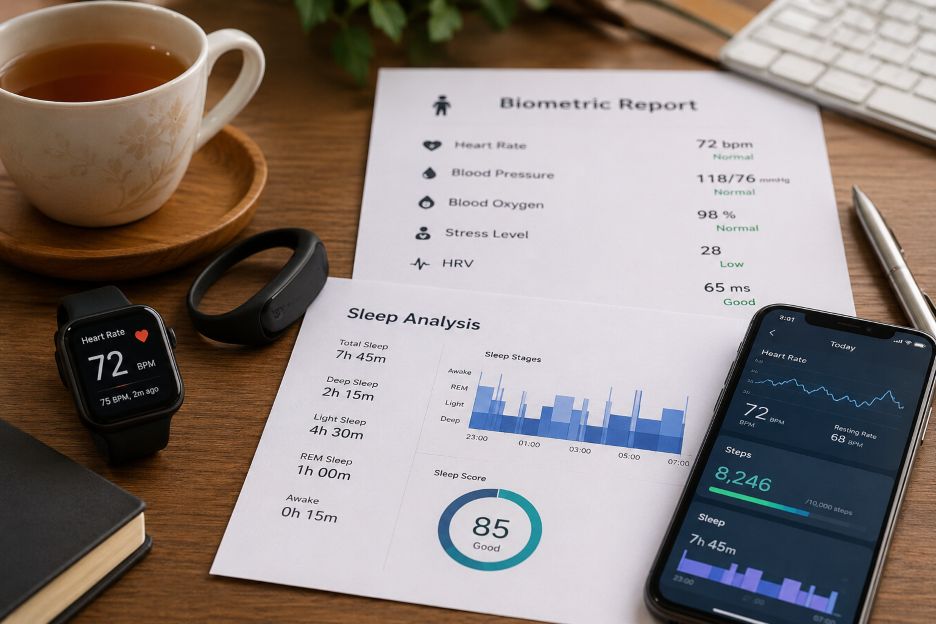
Wearable devices, digital wellness platforms, and remote health tracking tools have contributed to this shift. Reports from the Cleveland Clinic note that many consumers now use technology to monitor sleep, heart rate variability, physical activity, and recovery patterns as part of broader wellness management.
At the same time, experts caution that data alone is not enough. Numbers require interpretation and context. Preventive wellness works best when health information is reviewed responsibly and connected to realistic lifestyle planning.
Long-term monitoring also encourages consistency. People are more likely to recognize patterns when they regularly observe changes over months or years rather than reacting only during periods of crisis.
READ ALSO: 4 Essential Reasons to Prioritize Mental Health Coverage in Today’s Health Insurance
Looking Ahead
Modern stress management is gradually expanding beyond short-term coping strategies. Growing awareness of the connection between emotional health and physical wellness has increased interest in preventive assessments that identify potential concerns earlier.
Preventive health frameworks, biomarker tracking, and long-term wellness monitoring reflect a broader shift toward proactive care. These systems aim to help individuals understand how stress affects the body before symptoms become severe or disruptive.
Research continues to show that emotional resilience and physical health are closely linked. Sleep quality, cardiovascular health, nutrition, movement, and stress regulation all influence long-term wellbeing. Preventive assessments cannot eliminate stress entirely, but they may help people recognize patterns earlier and make more informed decisions about their health.
As healthcare conversations increasingly focus on prevention and sustainability, long-term monitoring may become a more common part of how individuals manage both emotional and physical resilience in everyday life.

 Dental anxiety affects millions of people worldwide, often preventing them from getting the care they need. From routine cleanings to necessary procedures, the fear of pain or discomfort can keep patients from stepping into a clinic. Yet, an effective dentist can transform the entire experience, creating a safe, welcoming environment where patients feel understood and at ease.




 Promising heightened stamina, improved performance, and a confidence boost, these products seem like the ultimate solution for men looking to excel in intimate settings. But beneath the promises and flashy marketing lies a deeper, less talked-about issue: the psychological toll of becoming reliant on enhancers.


